
Table of Contents
It may seem simple to consume adequate protein, but for the majority of individuals, here is where daily nutrition silently breaks down. And with the new year resolutions, people often aim to amp up their health and fitness resolutions. Snacks are typically chosen for convenience rather than nutrition, mornings are hurried, and lunches are irregular. This eventually results in insufficient protein intake, erratic energy levels, and poor recuperation, particularly for people who are active.
Fortunately, creating a high-protein day doesn’t call for either intricate recipes or meticulous meal preparation. Meeting your daily protein needs becomes easy and sustainable with a few dependable mainstays like oats, peanut butter, protein shakes, and a basic awareness of wise supplement practices.
Using well-known foods that are simple to incorporate into daily living, this guide breaks down a realistic, high-protein day.
Why Protein Should Be Spread Across the Day?

Protein is essential for immune system health, hormone production, muscle repair, and enzyme activity. However, a lot of people eat the majority of their protein at one meal, typically dinner. The body’s ability to use protein effectively is restricted by this unequal distribution.
Consuming protein during different meals is beneficial:
- Boost the production of muscle proteins
- Cut back on pointless snacking
- Encourage steady blood sugar levels
- Boost overall contentment with meals
A well-thought-out high-protein day emphasizes moderation over excess.
Breakfast Made Better with High Protein Oats
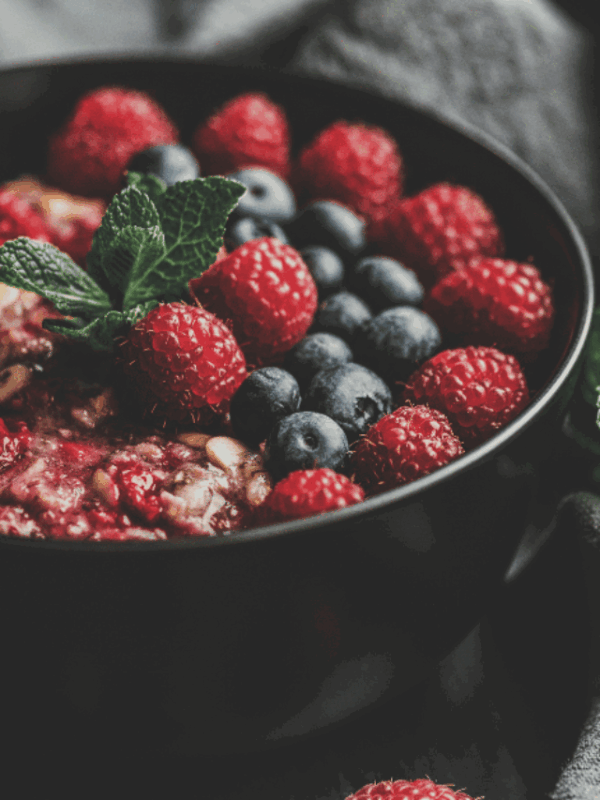
The mood of the day is established during breakfast. Midmorning hunger and energy dumps are frequently caused by a low-protein, high-carb meal. High protein oats provide a workable answer in this situation.
Oats are a great base since they include fiber and slow-digesting carbs. They become a full, filling breakfast when combined with foods high in protein.
High Protein Oats Recipe (Simple & Effective)
This recipe for high-protein oats is simple to make and ideal for hectic mornings.
Ingredients:
- NUTRABAY High Protein Oats
- Plant-based milk or milk
- NUTRABAY Gold Whey Protein Concentrate
- Seeds or nuts
Preparation: Cook the oats in milk, allow them to cool somewhat, and then, if desired, add in the protein powder. Add nuts on top. The end product is a rich, creamy bowl that promotes satiety, vitality, and muscular repair.
This kind of high protein oats recipe works equally well for beginners and experienced fitness enthusiasts.
Mid-Morning Energy: Smoothie Recipes with Oats

Not everyone enjoys eating substantial meals first thing in the morning. Smoothies are a clever substitute for people who require something portable or lighter. A basic beverage becomes a nutritionally balanced choice when oats are added.
Why Include Oats in Smoothies?
- Increases feelings of fullness
- Adds energy with a steady release
- Combine nicely with protein and fruits.
Easy Oat Smoothie Recipes
Blend together:
- Rolled oats
- Banana or berries
- NUTRABAY BioAbsorb™ Whey Protein Powder with ProDiFi™ Blend
- NUTRABAY Original Peanut Butter Creamy
- Milk or water
These oat-based smoothie recipes are great as midday snacks, post-workout recovery drinks, or breakfast substitutes.
Peanut Butter Benefits in a High-Protein Diet
Misconceptions about it are common. When consumed in moderation, it provides important nourishment despite being high in calories.
Advantages of Peanut Butter
- Offers protein derived from plants.
- Has good fats that promote fullness.
- Organically improves the flavour of food
- Aids in keeping energy levels constant
Selecting a butter made from peanuts with few ingredients ideally just peanuts and salt, ensures more nutritional value and fewer superfluous additions.
Easy Peanut Butter Recipes for Daily Use
Most people are unaware of how versatile it is. Beyond spreads, it complements both savoury and sweet dishes.
Simple Recipes to Try:
Oat Bowl: Combine oats, peanut butter, seeds, and a small amount of honey to make a high-protein, no-cook snack.
Yogurt Combo: Mix Yogurt with peanut butter for a delicious, creamy option, stir into thick yogurt.
Dressing: For stir-fries or salads, whisk peanut butter with warm water, lemon juice, and garlic.
These simple peanut butter recipes don’t require additional cooking time and fit into everyday routines.
Balanced Lunches
Lunch should be substantial without making you feel lethargic. When combined with vegetables and protein sources, peanut butter recipes perform surprisingly well.
A straightforward bowl of grains, veggies, a protein source (such as paneer or tofu), and a sauce made with peanut butter provides a well-balanced combination of fiber, healthy fats, and protein. As a result, hunger is controlled, and energy levels remain constant throughout the afternoon.
Smart Snacking: Peanut Butter Bread Recipe
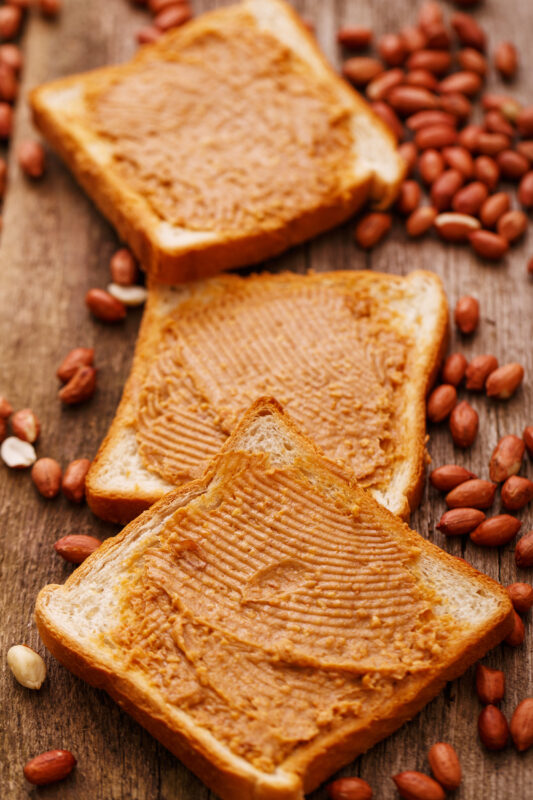
Nutrition typically falls short when it comes to snacks. A thoughtfully selected snack can fill the gap between meals without adding extra calories.
Easy Recipe for Peanut Butter Bread
Spread a little quantity of high-protein peanut butter on toasted whole-grain bread. If necessary, add fruit pieces or seeds. This recipe for peanut butter bread can be used as a quick breakfast substitute, an evening snack, or a pre-workout snack.
Protein Shakes and Smart Supplement Habits

It is advisable to think of protein shakes as supplements rather than as a substitute for meals. They are very helpful especially when taken post exercise, on hectic days when it’s difficult to find whole foods.
Protein shakes enhance satiety and digestion when combined with foods high in fiber, such as fruits or oats.
When taken regularly and correctly, supplements like creatine or magnesium can help with strength, recuperation, and sleep in addition to protein powders. Supplements function best when combined with a healthy diet, enough water, and enough sleep.
What a Simple High-Protein Day Looks Like
A realistic high-protein day doesn’t need rigid rules:
- Breakfast: High protein oats
- Mid-morning: Smoothie with oats and peanut butter
- Lunch: Balanced bowl with a peanut butter dressing
- Snack: Peanut butter bread
- Post-workout: Protein shake
- Dinner: Whole, home made food, protein-rich meal
Consistency matters more than complexity here, stay consistent in whatever schedule you follow.
Final Thoughts
A high-protein lifestyle doesn’t need to be complicated or restrictive. With everyday foods like oats, peanut butter, and protein shakes, it’s possible to meet protein needs consistently and comfortably.
Understanding peanut butter benefits, using high protein oats, experimenting with protein oats recipes, and adopting smart supplement habits allows you to build meals that support energy, recovery, and long-term health, without stress.
Consistency, not perfection, is what truly delivers results.
Frequently Asked Questions
Are oats suitable for a diet high in protein?
When combined with foods high in protein, such as peanut butter, milk, yogurt, or protein powder, oats make a great addition to a high-protein diet. They increase meal satisfaction and offer long-lasting energy.
What distinguishes regular oats from high-protein oats?
Protein-dense ingredients are added to high-protein oats to increase their overall protein content while preserving complex carbs and fiber.
Is peanut butter a good source of protein?
Indeed. Plant-based protein and good fats can be found in peanut butter. The nutritional value is increased by selecting natural or high-protein peanut butter without additional sugar.
Does peanut butter aid in controlling weight?
By increasing meal satisfaction, peanut butter helps regulate appetite and avoid overindulging when eaten in moderation.
Are oat-based smoothie recipes appropriate for regular consumption?
Yes, when properly balanced. Fruit, protein, and oat smoothies can be eaten every day as snacks or meals.
Is a recipe for protein oats appropriate for novices?
Of course. Recipes for protein oats are easy to follow, adaptable, and uncomplicated, making them perfect for beginners.
How frequently should one drink protein shakes?
Depending on activity levels and protein requirements, one to two protein shakes per day are typically adequate.
Are meals with peanut butter appropriate for lunch?
Indeed. When paired with veggies and meals high in protein, and high protein recipes make a great lunch option.
Is bread with peanut butter a healthy snack?
A healthy, practical snack choice is peanut butter bread, which is baked with whole-grain bread.
Can vegetarians use peanut butter and oats to meet their protein needs?
Indeed. Oats can complement a high-protein vegetarian diet when paired with legumes, dairy, seeds, and supplements if necessary.