

Table of Contents
Getting enough protein when you are on a vegetarian diet is completely possible, yet many people feel they have to completely depend on protein powders to meet their goals. While yes, the protein powder is a convenient option, it’s not the only option. Many vegetarians prefer whole foods because they’re easier to digest, fresh and naturally rich in vitamins, minerals, fiber and antioxidants. If you’ve been wanting to switch it up to have more natural sources or simply feel like adding variety to your meals, this guide brings you 12 wholesome, nutrient-dense protein powder alternatives that fit easily into everyday eating.
While there are a lot of supplements available nowadays to meet the vegetarians & vegans category, like Pea Protein, Soy Protein, Plant Protein (a blend of two plant proteins like pea & rice), but some people still prefer whole foods protein powder alternatives, maybe due to social stigma or some myths associated with protein powders that still exist.
Before we dive to see the list, it’s helpful to understand why whole food sources can work just as well as protein powder alternatives, if not better than supplements.
Why Look for Protein Powder Alternatives?

Protein powders are yes convenient, but they do come with their own limitations which is why people search for protein powder alternatives:
- Digestive Discomfort
Some people experience bloating, gas or heaviness after consuming whey or certain plant-based blends. Maybe they have bad gut health and their overall diet lacks many essential nutrients, and there is no one answer for this, so maybe whole foods are generally easier on the stomach in such cases
- Better Satiety From Whole Foods
A bowl of lentils fills you up far better than a scoop of powder because it contains fiber, complex carbs, healthy fats and micronutrients.
- Cost Effective
Many vegetarian protein rich foods are budget friendly and sustainable for a long term.
- Naturally Balanced Nutrition
Whole foods provide protein along with fiber, vitamin & minerals and antioxidants, without the need for additives
Switching to whole food protein as a protein powder alternative can be rewarding in terms of health, digestion and nutrition balance, but it is not bad to use protein powders if your gut health is well and if you have a budget.
12 Protein Powder Alternatives for Vegetarians
1) Lentils
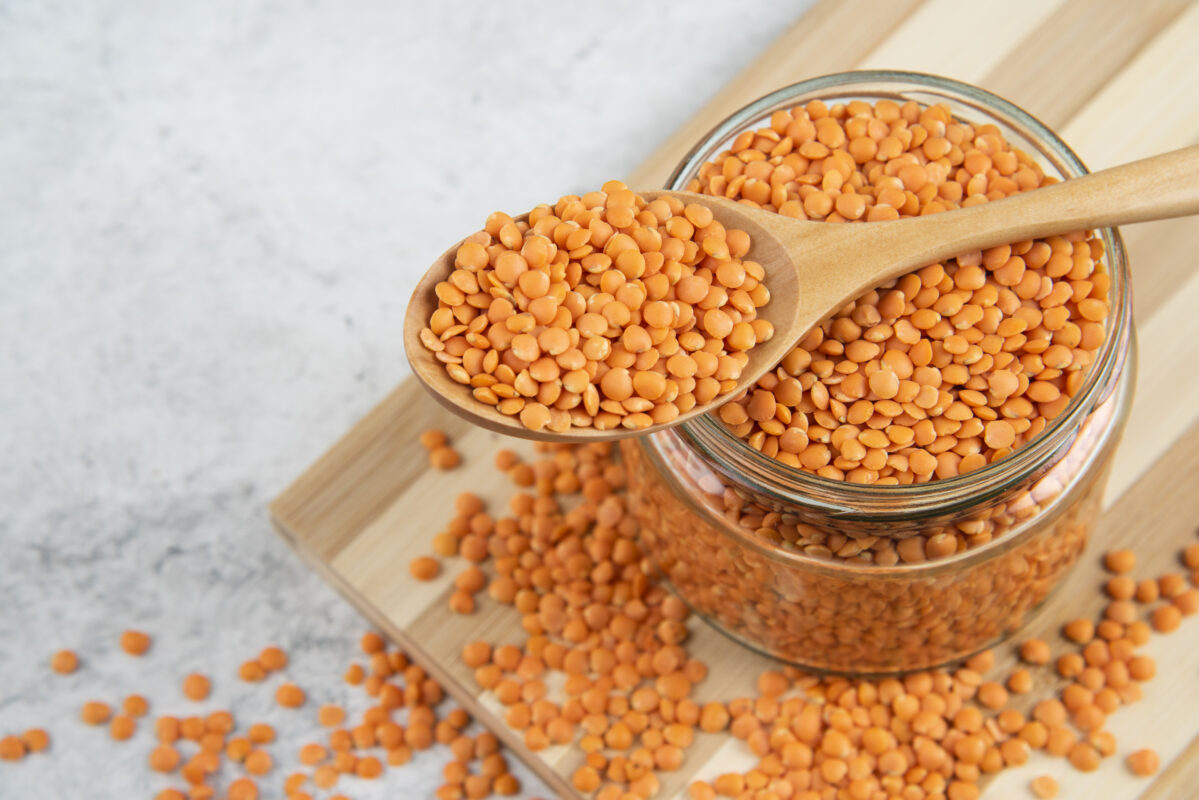
They are one of the most affordable and a great protein powder alternatives. A single cup cooked gives around 24 g per 100 g of protein along with fiber, iron, potassium and B vitamins. Dal, soups, lentil salads, dosa batter, khichdi or lentil-based curries are the best ways to use this.
Bonus: Lentils digest better than beans and are excellent for gut health.
2) Chickpeas

Packed with protein, chickpeas can easily substitute for egg protein. They’re incredibly versatile and can be eaten roasted, tossed into salads or blended into hummus. With a protein content of 21 g per 100 g, this is a versatile meal option for a protein powder alternatives.
3) Peanuts & Peanut Butter

Peanuts give a strong protein punch and are one of the best vegetarian protein powder alternatives. Two tablespoons of peanut butter can offer 7-8 g of protein plus healthy fats for hormonal balance. Use it in smoothies, oats, toast, cookies, salad dressings for that additional taste, protein and crunch.
Pro Tip: Choose natural peanut butter without added sugar or oils, just like NUTRABAY Unsweetened Peanut Butter.
4) Greek Yogurt

It is a creamy, filling dairy option with almost double the protein of normal curd. A single cup has 15-20 g of high-quality, complete protein. This is best used in smoothie bowls, dips, parfaits, salad dressings, as they are naturally rich in probiotics that aid gut health.
5) Cottage Cheese
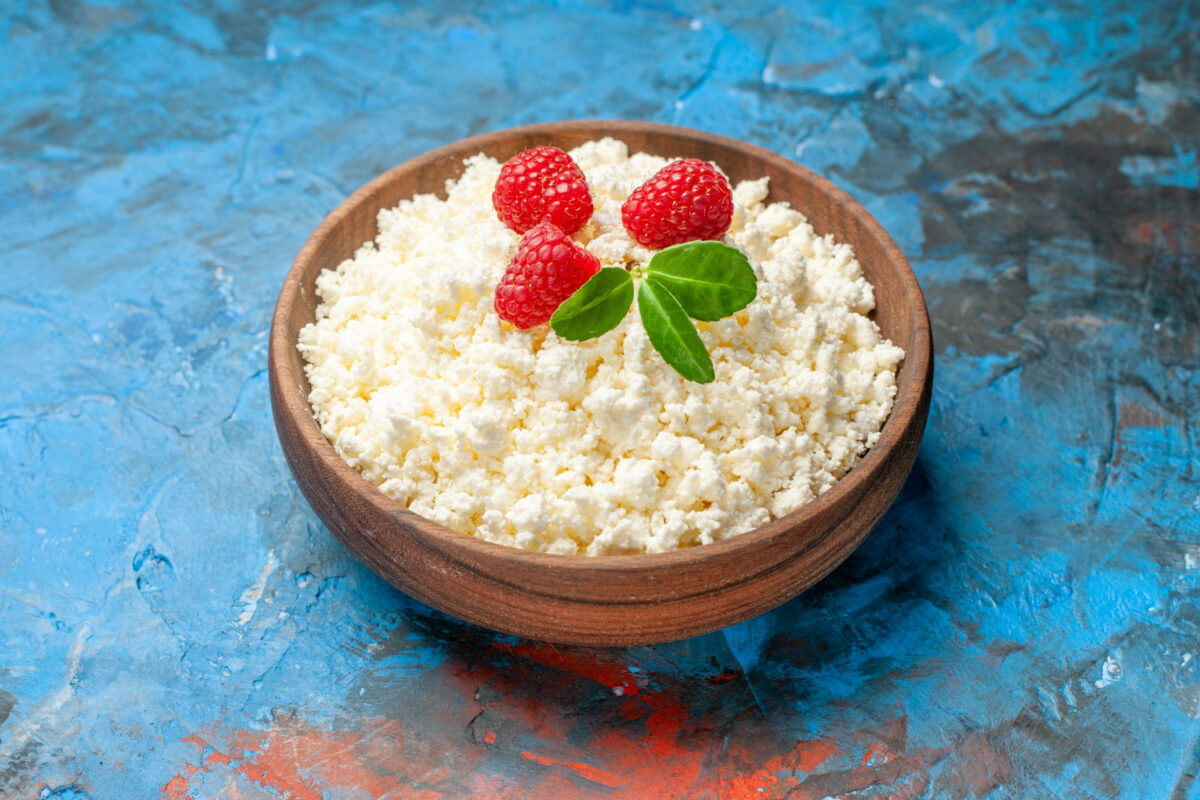
Paneer contains slow-digesting casein protein, which helps muscle recovery and keeps you full longer. With a protein content of 20 g per 100 g, one can enjoy it as stir fries, bhurji, salads, wraps, and tikkas. It is ideal for anyone trying to build lean muscle with protein powder alternatives.
6) Soy Foods (Tofu, Tempeh, Soy Milk)

Soy is one of the complete plant proteins. Tofu and tempeh are both high-protein options and are easy to cook with different flavour profiles. Tempeh also contains natural probiotics. Protein content varies like tofu, 11 g per 100 g & tempeh, 20 g per 100g. One can use it as scrambled, stir-fried, in bowls, sandwiches, or smoothies with soy milk.
7) Quinoa
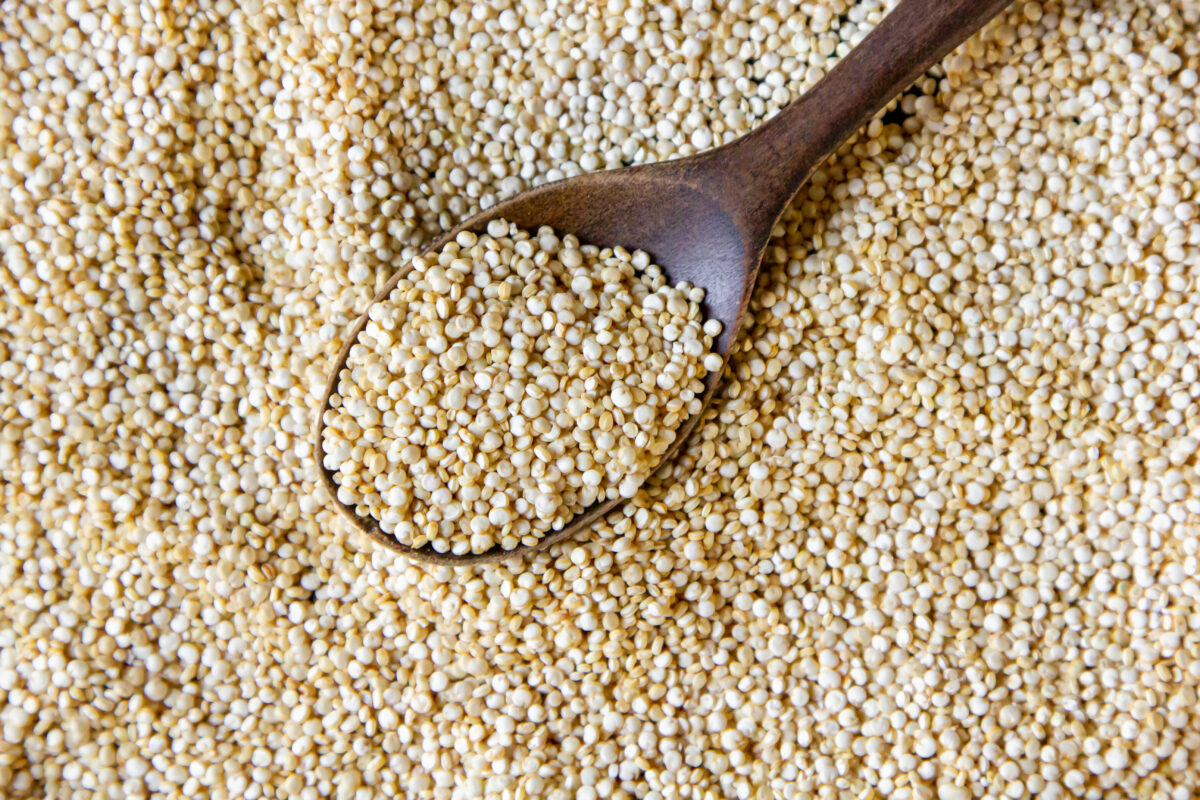
Unlike most grains, quinoa is a complete protein. It’s gluten free, cooks fast and works beautifully as a base for meals. With a protein content of 8 g per cooked cup, it has more benefits, like rich in iron, magnesium and fiber. Try quinoa in salad, as upma or porridge.
8) Chia Seeds

A tbsp of chia seeds adds protein, omega-3s and fiber. They expand in liquid, keeping you full for long hours. With a protein content of 4-5 g per 2 tablespoons. It is best in overnight oats, puddings, smoothies, yogurt
9) Hemp Seeds
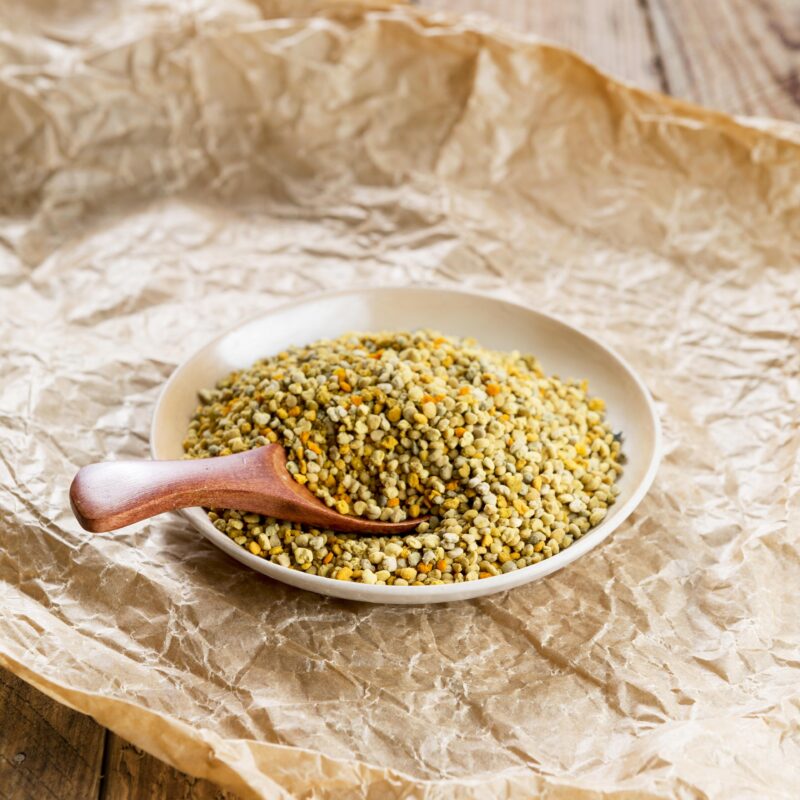
Mild, nutty and nutrient packed, hemp seeds are a powerhouse of complete protein, with approx 10-11 g per 3 tablespoons. Add it to smoothies, salads, oatmeal, dosa batter, anything that you prefer.
10) Pumpkin Seeds
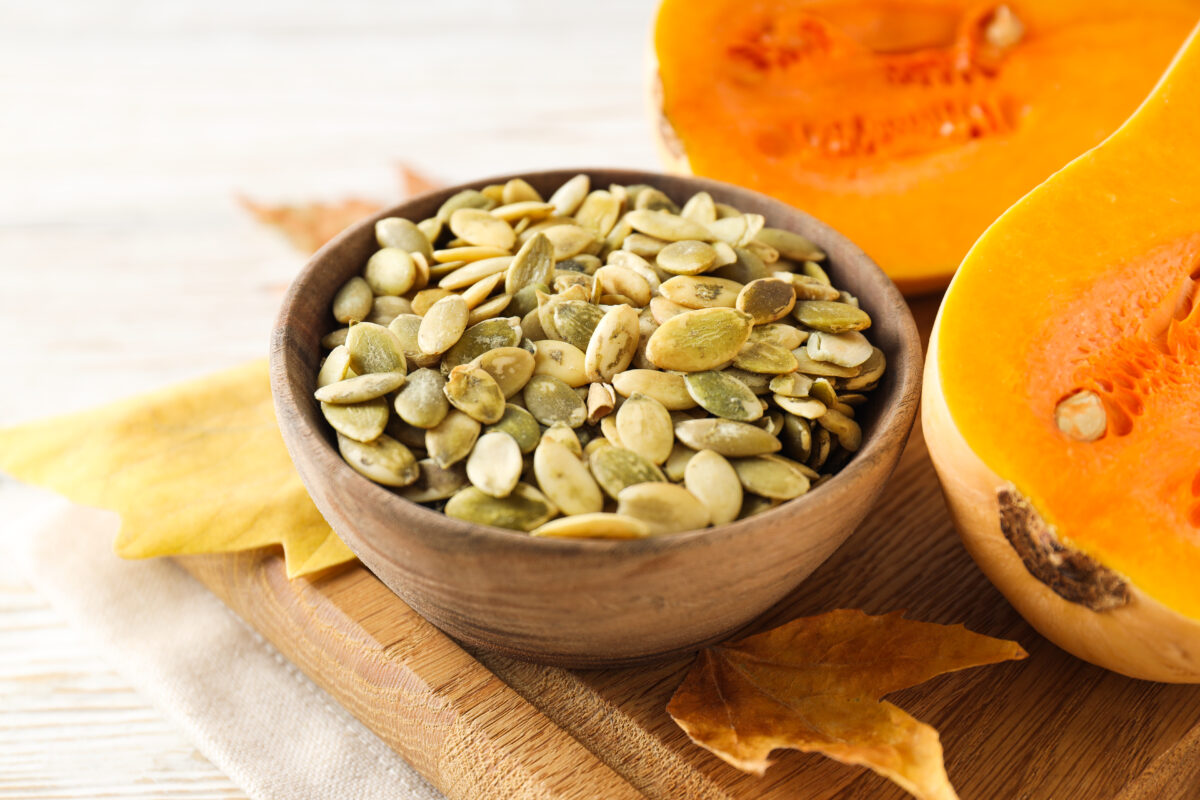
These crunchy seeds are loaded with protein, magnesium and zinc making them great for energy and immunity.With a protein content of 29 g per 100 g, one can have them roasted, add in granola or sprinkle it on soups.
11) Almonds

They are excellent for skin, hair, hormones and of course protein, with about 21 g per 100 g protein, they are also rich in healthy fats that help support glowing skin and steady energy. Almond butter made from almonds works well in smoothies and breakfast recipes.
12) Oats

Oats are a natural, budget-friendly alternative to protein powder in shakes. When dry blended into flour, they act as a thickening, protein rich base, with protein content of 13 g per 100 g. Try it in smoothies, pancakes, bowls, cookies.
Comparison Table
Here is a summarized version of protein content of the above mentioned protein powder alternatives for a quick glance.
| Food | Protein per serving | Serving size |
| Lentils | 24 g | 1 cup cooked |
| Chickpeas | 21 g | 1 cup cooked |
| Peanuts | 7-8 g | 2 tbsp |
| Greek Yogurt | 15-20 g | 1 cup |
| Cottage Cheese | 20 g | 100g |
| Tofu | 11 g | 100g |
| Tempeh | 20 g | 100g |
| Quinoa | 8 g | 1 cup cooked |
| Chia Seeds | 4-5 g | 2 tbsp |
| Hemp Seeds | 10-11 g | 3 tbsp |
| Pumpkin Seeds | 29 g | 100g |
| Almonds | 21 g | 100g |
| Oats | 13 g | 100g |
Final Thoughts
Getting enough protein as a vegetarian is entirely achievable; nothing is difficult, and you don’t really have to only have protein powders. It can be part of the diet, but remember, only a part and not a complete diet! Whole foods not only provide protein but also fiber, vitamins, minerals and antioxidants, supporting your overall health and wellbeing. Incorporating a variety of protein-rich foods into your diet ensures you meet your protein needs, support muscle maintenance, and keep your diet interesting and nutritious while working as a best protein powder alternatives.
By combining different plant-based foods, you can enjoy a balanced diet that matches or even exceeds the benefits of supplements, all while enjoying natural, nutrient-dense meals. So adding these protein powder alternatives to your routine can certainly help in meeting your requirements, without spending additional money on a supplement.
Frequently Asked Questions
Can vegetarians meet their protein needs without protein powder?
Yes! A well planned vegetarian diet that includes legumes, soy products, nuts, seeds, dairy and whole grains can easily provide adequate protein for daily needs.
Which foods are the best alternatives to egg protein?
Chickpeas, peanuts, greek yogurt, paneer and soy products are excellent vegetarian substitutes for egg protein.
Are plant based proteins complete?
Some plant proteins like soy, quinoa, hemp, chia and spirulina are complete. Others can be combined throughout the day; for example, legumes with grains to ensure all essential amino acids are included.
Can whole food protein powder alternatives support muscle growth?
Absolutely. Consuming a variety of plant and dairy proteins throughout the day provides the amino acids required for muscle repair and growth, making them effective alongside or even instead of protein powders.
How can I include these protein powder alternatives in my daily meals?
-Add lentils or chickpeas to curries, salads or soups.
-Include tofu, tempeh or edamame in stir fries, bowls or sandwiches.
-Sprinkle seeds and nuts on oatmeal, yogurt or smoothie bowls.
Are these protein powder alternatives better than protein powders?
Whole foods are naturally nutrient-dense and often easier to digest, but protein powders remain a convenient option. Choosing a mix of both can provide flexibility, depending on lifestyle and dietary preferences.