

Table of Contents
When Protein Becomes the Problem
Whey protein has long been promoted as the best option for gaining muscle. Simple scoop, fast shake, and you’re done. However, for an increasing number of people, that ease comes at the expense of intestinal discomfort, cramps, bloating, and heaviness that subtly undermine consistency.
The unsettling reality is that a protein source’s biological worth is irrelevant if your stomach cannot handle it.
Protein is only beneficial when it is absorbed; it is not beneficial when it irritates your stomach. Because of this, discussions about plant-based proteins, lactose-free choices, and protein alternatives sources are now a necessity rather than a trend.
However, nowadays, brands are coming up with a solution to bloating post-whey protein by adding probiotics, digestive enzymes and dietary fiber that aid in gut health altogether and also help with better protein digestion and absorption, thus leading to better protein delivery, if one wants to opt for such whey protein, just go and try NUTRABAY BioAbsorb™ Whey Protein Powder which has added ProDiFi™ Blend for better protein delivery and absorption without any digestive discomfort.
This blog explains vegetarian protein alternatives, high-protein alternatives, and real food-based solutions that promote muscle rehabilitation without causing digestive stress.
Why Sensitive Stomachs React Poorly to Whey Protein?

Digestive issues with whey aren’t random. They’re predictable. Most of the problems come down to these three factors:
1. Lactose Intolerance (Even Mild)
You can experience symptoms even if you are not clinically lactose intolerant. When lactose is ingested on a daily basis, even tiny amounts might cause gas, bloating, or discomfort.
2. Fast Digestion Isn’t Always Better
Whey breaks down quickly. Some persons experience cramping or loose stools as a result of the osmotic pressure this causes in the colon.
3. Additives in Protein Powders
Emulsifiers, gums, artificial sweeteners, and flavourings frequently cause more harm than the protein itself. This is where whole-food and plant-based protein alternatives go beyond simple substitutes and they start making wiser decisions.
What Makes a Good Protein Alternative?

Prior to changing proteins, it’s critical to understand what matters. A good protein alternative for whey protein powder ought to:
- Be simple to digest
- Have sufficient amounts of critical amino acids
- Realistically fit into everyday meals
- Encourage muscle regeneration rather than merely protein levels
There is more to protein quality than just grams per scoop. It has to do with consistency, tolerance, and digestibility.
Lactose Free Protein Alternatives
1. Plant Protein Blends (Pea & Rice)
Blend of plant protein often replicates the efficacy of whey by combining amino acid profiles rather than depending solely on single-source plant proteins.
Why they are effective
- Lactose-free by nature
- Reduced bloating due to slower digestion
- Improved balance of amino acids
For those switching from whey, these are some of the most useful protein alternatives sources, just like NUTRABAY Vegan Plant Protein that contains pea protein isolate & rice protein blend along with superfoods.
2. Pea Protein
There’s a good reason why pea protein has become more and more popular. It works remarkably well to support muscles and is easy on the digestive system.
Ideal for:
Individuals who are sensitive to dairy.
Those looking for high-protein alternatives and vegan substitutes.
Athletes who favour proteins with a neutral flavour.
Although it’s not flawless, but consistency is superior to perfection.
If you are looking for unflavoured, pure pea protein with no additives, go for NUTRABAY Pure Pea Protein Isolate and if you want to add in some flavours, go for NUTRABAY Gold Hydrolyzed Pea Protein.
3. Brown Rice Protein
People with severely sensitive stomachs can benefit from rice protein because it is hypoallergenic and very easy to digest. However, it has certain drawbacks like:
- Reduced lysine concentration
- Texture that is a little gritty
It is therefore best taken in combination with foods high in lysine or as part of a blend.
High Protein Vegan Alternatives from Whole Foods
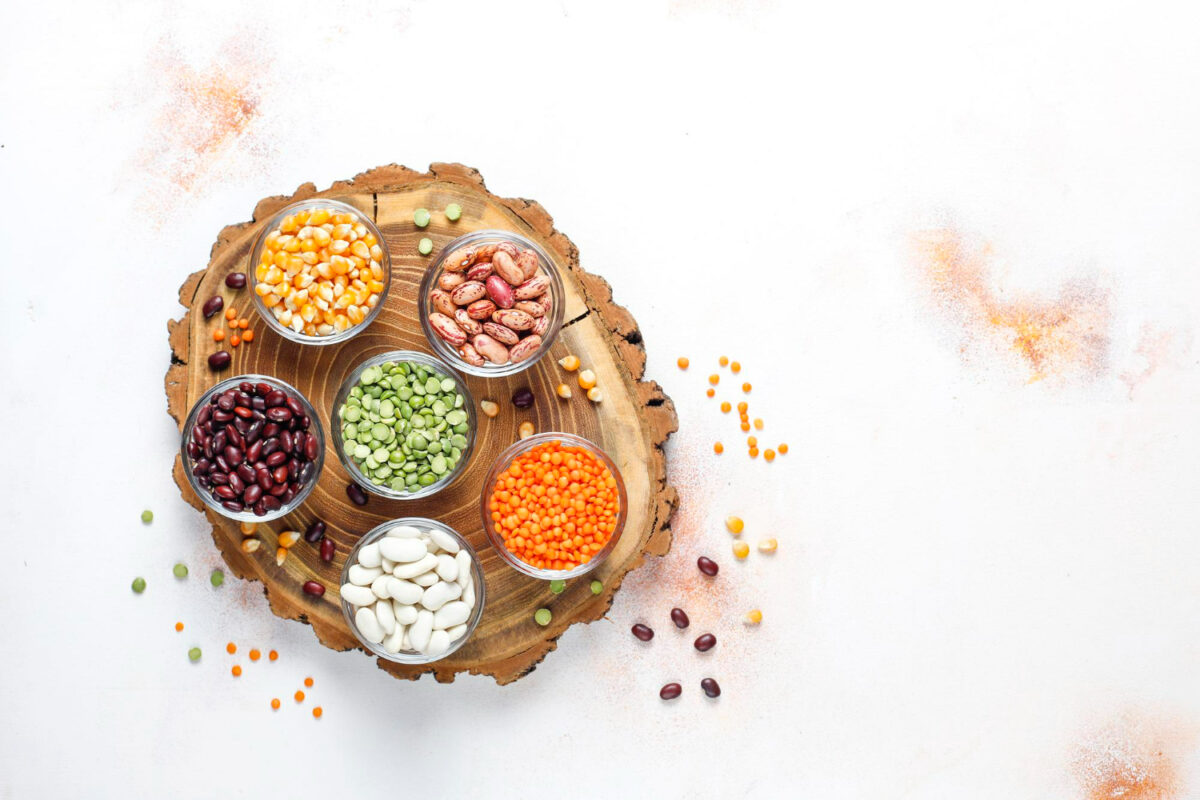
Protein powders are convenient, but food still matters. A lot. Whole foods digest differently, trigger fewer gut responses, and provide micronutrients that protein powders simply can’t.
1. Tofu and Tempeh
Soy is frequently subjected to needless criticism. It’s one of the best vegetarian protein alternatives to chicken when cooked properly.
Why soy is effective:
- Full profile of amino acids
- When fermented, easily absorbed (tempeh)
- High protein content per serving
Tofu and tempeh provide comparable protein density without the weight for individuals seeking a protein alternative to soy chunks.
2. Lentils and Legumes (If Prepared Correctly)
The issue is not with lentils; it is inadequate preparation. Bloating is significantly reduced by soaking, pressure cooking, and combining with digestive spices.
Top choices:
- Masoor dal
- Moong dal
- Sprouted Legumes
These are underappreciated protein alternatives that works very well in Indian diets.
3. Quinoa
Quinoa has all of the essential amino acids, in contrast to most cereals.
It is:
- Gluten free
- Light on digestion
- Versatile for meals
Quinoa is frequently more palatable than wheat-based proteins for those with sensitive stomachs.
Animal-Based Protein Alternatives
There are other options besides plant-based diets. Some people have no trouble digesting animal protein alternatives as long as they don’t come from dairy.
1. Eggs & Poultry
Eggs and poultry have good protein content, and are the choice of many when it comes to animal-based protein alternatives. People often opt for chicken and eggs as a protein alternatives. Also, one of the most bioavailable sources of protein is still egg protein.
Why these are effective:
- No lactose
- Easy digestion
- High leucine content
When whey is problematic, eggs & poultry are often the easiest protein alternative.
2. Fish
Compared to red meat, fish protein is easier to digest and contains omega-3 fatty acids, which help lower inflammation.
Perfect for:
- Recovery days
- Support from lean muscles
- Meals that are good for the gut
Soya Chunks: What Actually Works Better?
Although soy chunks are high in protein, not everyone should eat them. Bloating may result from all the overprocessing and density.
Better choices consist of:
- Tempeh
- Tofu or almond substitutes for paneer
- Lentil-based recipes that are properly soaked
The goal is highest protein absorption, not highest protein per bite. If one still wants to opt for protein alternatives from soy, go and check out NUTRABAY Soy Protein Isolate, which doesn’t cause bloating and is lighter on the stomach as well.
How to Choose the Right Protein for Your Gut
There is a process, but no one-size-fits-all solution.
Consider this:
After 30 to 60 minutes, do I feel bloated?
Do I have a heavy tummy for hours on end?
Do I consistently consume?
Before changing brands, change sources if digestion seems strange.
Protein Timing Matters More for Sensitive Stomachs

Sensitive digestion affects not only what you eat but also when you eat it.
The best methods:
- Steer clear of protein shakes while you’re hungry.
- Combine mild carbohydrates with protein.
- Steer clear of heavy protein meals at night.
Big issues are frequently resolved by small adjustments.
Common Myths Around Protein Alternatives
Myth 1: Plant Proteins Are Inferior
Reality: Digestibility and consistency matter more than the theoretical amino acid scores.
Myth 2: You Need Whey for Muscle Gain
Reality: Muscle doesn’t care about branding. It responds to amino acids and recovery.
Myth 3: More Protein = Better Results
Reality: Excess protein with poor digestion can lead to inflammation, not gains.
Building a Protein Strategy That Actually Works
Rotate rather than imposing a single source every day.
An example method:
- Plant protein shake after a workout
- Protein from whole foods for meals
- Fish or eggs for days of recovery
This enhances long-term adherence and lessens intestinal irritation.
Final Thoughts
Protein Should Help You, Not Hurt You
It’s feedback, not weakness, if your stomach churns whenever you eat protein.
Today, there are more high-protein vegan options, protein alternatives, and protein substitutes than ever before. The most popular option isn’t always the best one. It’s the one that your body readily absorbs.
Performance increases as digestion improves. Always.
Frequently Asked Questions
If whey protein powder causes bloating, what is the best protein alternatives?
Plant-based protein blends produced from rice and peas are among the finest options if whey protein makes you bloated. They offer a balanced amino acid profile for muscle regeneration while being lactose-free and easy to digest.
Can you build muscle with plant-based proteins?
Indeed, when taken in sufficient quantities and from a variety of sources, plant-based proteins can aid in the development of muscle. Amino acid availability and absorption can be enhanced by combining various plant proteins or combining them with entire meals.
Which vegan substitutes with lots of protein are the easiest to digest?
Some of the simplest high-protein alternatives and vegan substitutes for those with sensitive stomachs are rice protein, pea protein, tempeh, tofu, and cooked lentils. Particularly gut-friendly are fermented foods like tempeh.
What is a suitable plant-based alternative to chicken protein?
Excellent vegetarian protein alternatives to chicken include tempeh, tofu, eggs, lentils, and paneer equivalents produced from soy or almonds. When consumed in the right amounts, they offer a similar protein density.
Are lactose-free protein sources still beneficial for recovering from exercise?
Of course. Plant protein powders, eggs, fish, and legumes are examples of lactose-free protein sources that promote muscle repair and recuperation without creating digestive stress associated with dairy sensitivity.
Is it okay to use soy as a daily protein alternatives?
Moderate soy consumption is safe and well-tolerated for the majority of people. Tofu and tempeh are examples of minimally processed soy foods that are typically simpler to digest than highly processed soy products.
What is a good substitute for soy chunks in terms of daily protein intake?
Protein alternatives to soy chunks include tempeh, tofu, mixed lentils, quinoa, and plant protein mixes. These choices contribute significant amounts of protein while being easier on the stomach.
Are protein powders inferior to food-based protein substitutes?
In addition to offering extra nutrients like fiber, vitamins, and minerals, food-based protein alternatives are frequently simpler to digest. While protein supplements are handy and convenient, regular consumption of entire foods tends to be kinder to delicate stomachs.
What is the recommended daily intake of protein for a person with a sensitive stomach?
The majority of active people do well with moderate, evenly distributed protein intake across meals, while individual protein demands vary. When opposed to taking a lot of protein in one sitting, spreading it out throughout the day frequently aids digestion.
Can other foods high in protein fully replace supplements?
If meals are carefully planned, alternative protein foods can indeed take the place of supplements. Without using powders, a combination of beans, grains, soy products, eggs, or fish can satisfy daily protein needs.
Why is plant protein easier for some people to digest than whey?
Plant proteins often digest more slowly than whey and are naturally lactose-free. For those with sensitive digestive systems, this slower digestion might lessen discomfort, bloating, and intestinal irritation.
When is the ideal time to eat protein to improve digestion?
Digestion is generally improved when protein is consumed with meals or after exercise rather than on an empty stomach. It can also be gentler on the stomach when protein is combined with light carbs.