
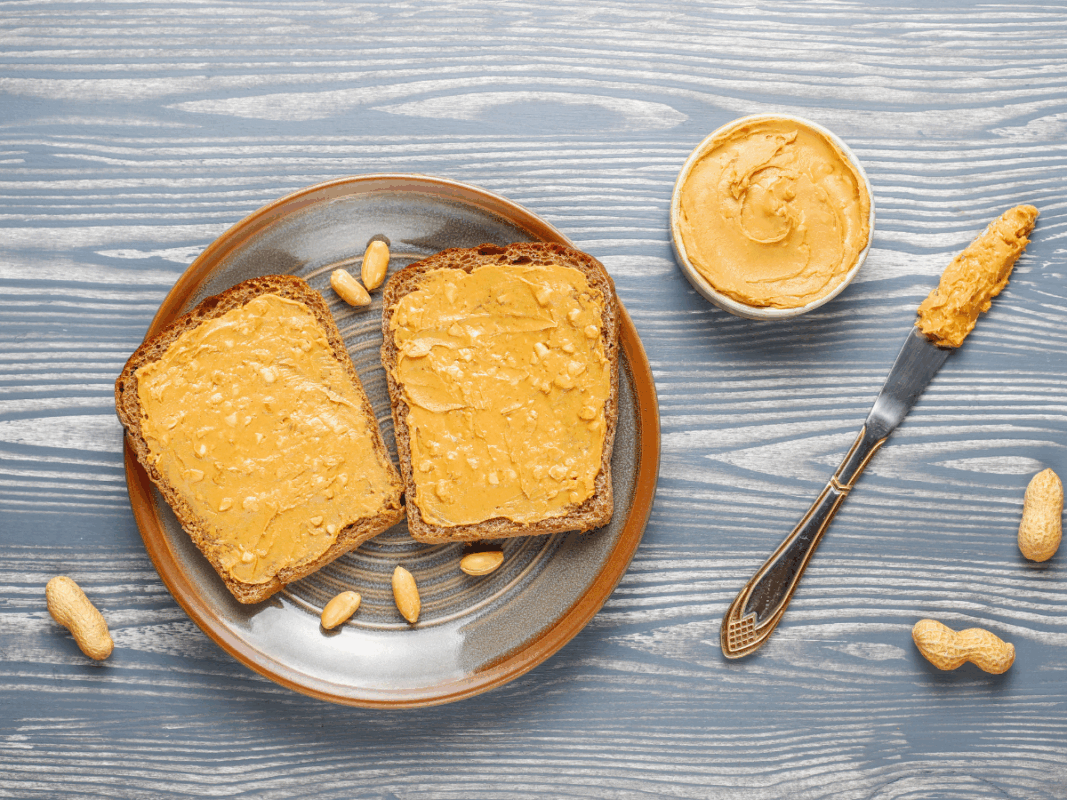
Table of Contents
Peanut butter is one of the most straightforward yet misinterpreted foods. Spreading butter on toast is a childhood staple for some people. For some, a gym is a need. Additionally, it becomes a daily calorie enhancer for many people attempting to gain weight or muscle.
Peanut butter’s unique qualities extend beyond its flavour and adaptability. It is energy-dense, which means that a tiny serving contains a large number of calories. Practically speaking, two tablespoons can provide 180–200 calories, as well as minerals, plant protein, and healthy fats.
Knowing how to consume energy-dense foods successfully is important in a world where some people struggle to manage portion sizes, and others struggle to eat enough. This blog explains when peanut butter is helpful, when it may not be ideal, and how to use it strategically for performance, recovery, and overall health.
What Does “Energy-Dense” Really Mean?

The quantity of calories in a specific weight of food is referred to as its energy density. In general, foods high in fat provide more calories per gram than meals high in protein or carbs.
- 9 kcal per gram of fat
- 4 kcal per gram of carbohydrates
- 4 kcal per gram of protein
Peanut butter provides more calories in fewer portions since it has a high content of good fats. It is therefore beneficial for:
- People that are attempting to put on weight
- High-energy-expenditure athletes
- Individuals who don’t have a strong hunger
- People who have trouble reaching their calorie goals
Nutritional Breakdown
A typical serving of two tablespoons (around 35 grams) offers:
- Between 200 kcal and 220 kcal
- 7-9 grams of protein
- 15–16 grams of fat, primarily unsaturated fats
- 6-8 grams of carbohydrates
- 2–3 grams of fiber
These nutrients aid in energy metabolism, neuronal transmission, and muscular contraction. Natural peanut butter provides calories and nutrients in comparison to spreads that are low in calories.
Why Peanut Butter Works for Muscle Gain?
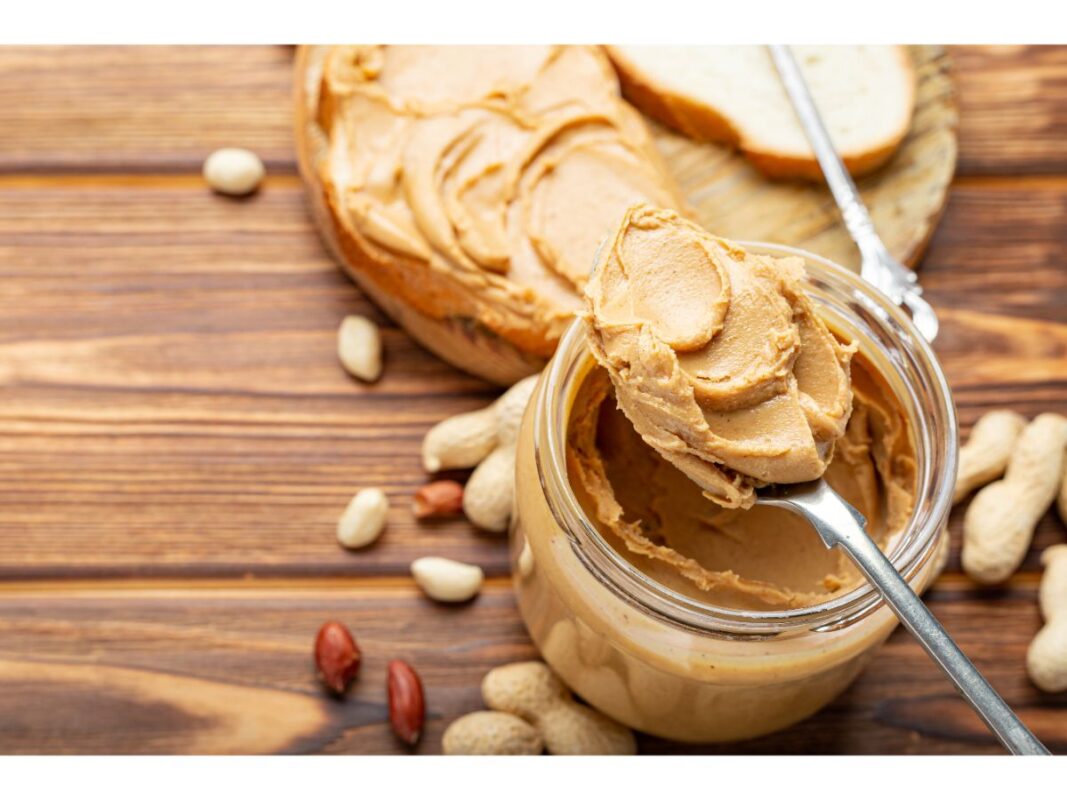
Resistance exercise makes it simpler to grow muscle when a person is in a calorie surplus, which occurs when they consume more calories than they expend.
It is beneficial because it raises caloric intake overall without significantly increasing dietary volume.
- It offers protein derived from plants.
- It provides good lipids that promote the synthesis of hormones.
- Healthy hormones are essential for building muscle.
When Peanut Butter Is Most Effective

1. In the Bulking Phase
Smoothies, oats, or toast with it make it easy to consume excess calories without consuming too many meals if you are purposefully growing muscle.
2. For Hard Gainers
Large quantities are difficult for some people to eat. They may consume more calories without feeling stuffed thanks to it.
3. Moderately pre-workout
When paired with carbohydrates, a modest portion can provide you long-lasting energy. Timing is important since large meals right before vigorous exercise might make you feel weighed down.
4. Consuming Carbohydrates After Exercise
Pairing it with carbs, such as a banana sandwich, might assist in replenishing energy levels and provide extra calories for individuals who are in excess, even though a post-workout diet is often protein-focused.
5. To Replace High-Calorie Snacks
Pairing it with fruit or whole-grain crackers offers nutrients and energy in place of manufactured treats.
When to Be Careful
If portions of foods high in energy are not controlled, they might become problematic. It might not be the best option for:
- People going through intense weight loss phases
- Those who carelessly nibble straight from the container
- Individuals who are allergic to peanuts
Portion control is important because it is easy to overeat. If you don’t measure, two tablespoons can easily turn into four or six.
Peanut Butter for Weight Gain vs Fat Loss
To Gain Weight
- Include in smoothies
- Add oats and stir
- On whole-grain toast, spread
- Add to yogurt
This can easily increase daily caloric intake by 200–400.
To Reduce Body Fat
You can still add it, but only in small amounts. When combined with foods high in fiber, satiety is increased, and overeating is decreased. The balance of daily calories, rather than the food itself, makes the difference.
Choosing the Right Peanut Butter

Not all jars are equal. Seek out:
- Very few ingredients (perhaps salt and peanuts)
- Absence of hydrogenated oils
- Not too much added sugar
- Options for clean label
In India and other markets, organic produce is becoming more widely available, providing consumers who are concerned about pesticides with options. It’s typical for a natural one to have oil separation. To guarantee a constant texture, stir it before using.
Practical Ways to Use Peanut Butter
High-Calorie Smoothie Mixture
Plant milk or milk, 1 banana, peanut butter, plant protein or whey protein and oats. This produces a nutrient-rich smoothie that is perfect for building muscle.
Oats: For a well-rounded breakfast, mix 1 tablespoon into heated oats with fruit and seeds.
Energy Balls: For portable snacks, mix peanut butter with oats, honey, and nuts.
Flavourful Sauces: Add it to rice or noodle dishes with an Asian flair.
Is Peanut Butter Enough for Muscle Building?
Although it doesn’t develop muscle on its own, it can aid in muscle growth.
For muscles to grow, they need:
- Resistance exercise
- Sufficient consumption of protein
- Enough calories
- A healthy recovery
- Balanced hormones
Common Myths About Peanut Butter
Myth 1: Eating peanut butter makes you gain weight
When total caloric intake surpasses expenditure, weight gain happens. Although it is high in calories, the impact depends on portion control.
Myth 2: Its High Fat Content Makes It Unhealthy
Unsaturated fats, which make up the majority of its fat content, are good for your heart when you eat them in moderation.
Myth 3: The Protein Is Whole
Although it has protein, it does not contain all of the essential amino acids in the right amounts. It ought to supplement other sources of protein.
Final Thoughts
Peanut butter is neither a dietary villain nor a miraculous food. It is only a nutrient-dense, high-energy choice that, when used wisely, may be quite beneficial.
When used properly, it aids:
- Increase your intake of calories
- Encourage muscle-building objectives
- Offer wholesome fats.
- Make meal planning more convenient.
A dollop of peanut butter might not be the answer, but when used properly, it can be a usefull supplement to a well-thought-out diet.
Frequently Asked Questions
Can you get energy from peanut butter?
Indeed, peanut butter is a high-energy food that is also somewhat high in calories, healthy fats, and protein. It provides long-lasting energy because fats provide nine calories per gram, which makes it beneficial for athletes, working professionals, and people who are attempting to put on weight.
What is the recommended daily intake of peanut butter?
One to two teaspoons a day is a manageable amount for most people. This offers minerals and healthy fats without consuming too many calories. Depending on their overall caloric requirements, those going through a weight-gain or muscle-building phase might eat a little more.
Is peanut butter beneficial for growing muscle?
When combined with enough protein and resistance training on a calorie-surplus diet, peanut butter can help promote muscle growth. Although it has protein, it should be consumed in addition to complete protein sources such as beans, dairy, and eggs.
Does eating peanut butter help you gain weight?
Indeed, it is frequently utilized in weight-gain programs due to its high-calorie content and ease of addition to meals. It can be used to make whole-grain toast, smoothies, or oatmeal to efficiently increase daily caloric intake.
Is it safe to eat peanut butter while trying to lose weight?
If it is consumed in moderation, it can be incorporated into a diet plan for fat loss. Because of its high calorie content, it’s crucial to measure portions to prevent unintentional overindulgence.
When purchasing peanut butter, what should I check for?
Select peanut butter with as few ingredients as possible, preferably simply peanuts and a tiny bit of salt. Steer clear of goods that have a lot of added sugar or hydrogenated oils. In general, natural or clean-label options are superior.
Is peanut butter a healthy snack to eat before working out?
It can provide sustained energy when consumed 1–2 hours before exercise, especially when paired with carbohydrates. However, because of their high fat content, large amounts right before vigorous exercise may feel heavy.
Can protein supplements be substituted with peanut butter?
No. Although it has protein, it lacks the protein concentration and amino acid composition of plant-based or whey protein powders. Instead of taking the place of a structured protein diet, it should be utilized as a supplementary food.