

Table of Contents
For good reason, collagen is frequently referred to as our body’s building block. This protein maintains the strength of our bones, the flexibility of our joints, and the firmness of our skin. Although our bodies naturally produce collagen, as we age, our bodies begin to create less of it, which causes wrinkles, stiff joints, and weaker hair and nails. Daily collagen supplementation can help mitigate these effects and promote general well-being. We’ll look at ten scientifically supported advantages of incorporating collagen into your daily routine in this post, along with the physical changes you can anticipate.
Top 10 Benefits of Taking Collagen Daily!
1) Skin Elasticity and Hydration

Let’s start with the most talked-about benefit. It is the structural protein that maintains the elasticity, tightness, and moisture of your skin. With age, its production decreases, which results in wrinkles and dryness.
Supplementing with it may help prevent this, as a systematic review found that over time supplementation improved skin suppleness, hydration, and dermal density1
Another meta-analysis of randomized controlled trials showed measurable improvements in skin hydration and elasticity after consistent collagen ingestion2
This means regular supplementation won’t “reverse ageing,” but it can gradually give your skin a little firmer, more hydrated appearance.
2) Reduce Wrinkles and Fine Lines

Wrinkles appear when the level declines, and skin structure deteriorates. Its peptides may encourage the production of fibrillin and elastin, two proteins that give skin its structure, according to research.
A survey of 26 studies found that supplementing with collagen reduced the dryness and wrinkles in people during a 4–12 week period3
The effect is modest rather than dramatic, think about it as a “maintenance” instead of “transformation.”
3) Joint Health
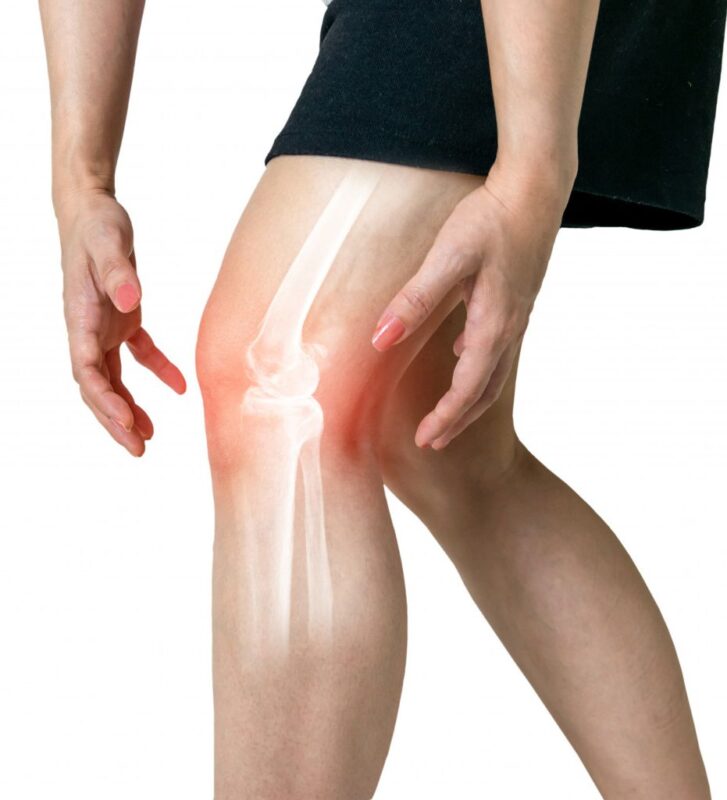
Your joint health depends on it, especially type II, which is found in cartilage. As it deteriorates, joint pain and stiffness get worse.
According to research, taking supplements may improve mobility and reduce joint pain, particularly in people with osteoarthritis or active lifestyles4
A thorough investigation of hydrolysate form also revealed advantages for connective tissue support and joint function5
Who benefits the most:
- Athletes
- People who have knee discomfort
- Older people
4) Bone Strength
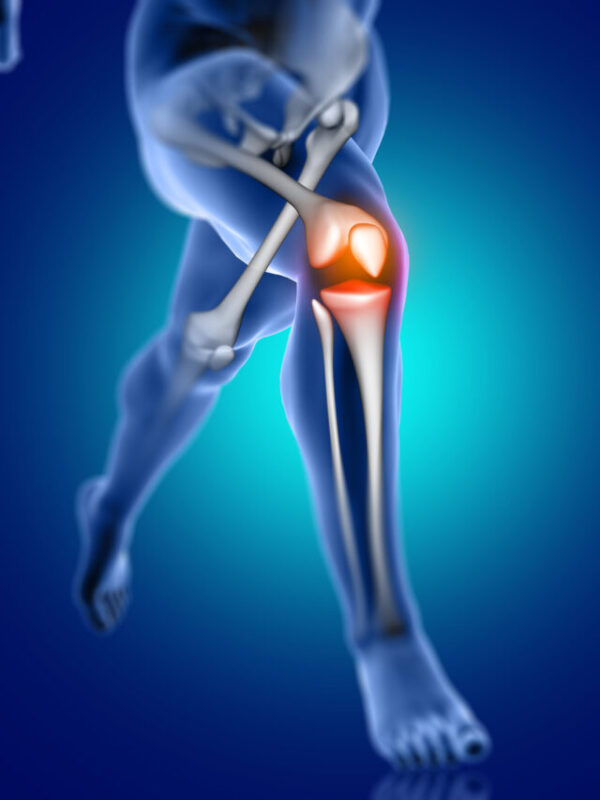
In addition to calcium, bones also contain collagen, which provides them flexibility and structure.
As it declines, bones become more brittle. Its supplements may improve bone mineral density (BMD), especially in older adults, according to research6
It does not replace calcium and vitamin D; rather, it works in collaboration with them to promote long-term bone health.
5) Muscle Mass and Recovery

Despite not being a complete protein like whey, collagen helps maintain the health of muscles. When combined with resistance exercise, its supplements have been shown to improve the following:
- Fat-free mass
- Muscle strength
According to a study, it may help with muscle rehabilitation and connective tissue regeneration, especially in elderly people7 It is most effective when paired with a high-protein diet, not when used alone.
6) Hair and Nail Strength

If you’ve noticed brittle nails or thin hair, it might be beneficial. It contains amino acids like proline and glycine, which are essential for the production of keratin.
Clinical observations indicate that consuming this supplement can:
- Increase the length of your nails
- Reduce brittleness
- Encourage your hair’s structure
Regular ingestion also helps with brittle nail syndrome, according to research8
7) Supports Heart Health

This is one of the lesser-known benefits. It helps maintain the structural integrity of arteries and blood vessels.
Some studies indicate that this may
- Increase the arteries suppleness
- Diminish stiffness
- Encourage heart health
There is mounting evidence that supplementing with it improves cardiovascular markers, but more research is needed. Although still in its early phases, research in this area shows promise9
8) May Support Gut Health

Amino acids found in it, such as glutamine and glycine, are associated with the integrity of the intestinal lining. Although there is currently little research in this area, some data indicates that collagen may support:
- The function of the gut barrier
- Digestive health
Experts concur that research is necessary because there is still a lack of solid clinical evidence, which makes it a possible clinical benefit that requires certain benefits.
9) Weight Management and Satiety

It has the ability to increase feelings of fullness, which may help with weight control in an indirect way. According to some preliminary research, it may
- Boost feelings of fullness
- Cut back on total caloric intake
However, its impact is minimal when compared to whole proteins. Still, it can help improve appetite control when included in a balanced diet.
10) Overall Connective Tissue Health

It really shines in this situation, as it supports more than simply the skin and joints.
- Tendons
- Ligaments
- Cartilage, Skin, and Bones
It’s function in tissue repair, structural integrity, and general connective health was emphasized in a review10.
Are There Any Side Effects?
Although it is usually safe, certain persons may have:
- Bloating
- Mild discomfort in the digestive system
- Allergies, particularly to marine collagen
Always select tried-and-trusted, premium supplements.
Who Should Consider Taking Collagen?
This may help you if you:
- Are older than 25 to 30.
- Experience stiffness or pain in your joints
- Desire to hydrate your skin better
- Train regularly
- Have brittle hair or nails
Final Thoughts
Although it’s not a wonder vitamin, collagen isn’t overblown either. When taken consistently, it can support:
- Health of the skin
- Joint function
- Strength of bones
- Connective tissue overall
Realistic expectations are crucial. Collagen is not a fast fix, but rather a long-term investment in structural health. If you are looking for a supplement, opt for NUTRABAY Marine Glow Collagen.
Frequently Asked Questions
How much time does collagen take to start working?
In 4–8 weeks, most people feel changes, particularly in the skin and joints.
Is protein powder inferior than collagen?
No, collagen does not take the place of protein; rather, it enhances it.
Which kind of collagen is the best?
Marine collagen or hydrolyzed collagen is frequently more readily absorbed.
Can I take collagen every day?
Yes, most people consider daily intake to be safe.
Does collagen aid in losing weight?
It’s not a fat-loss supplement, but it does improve satiety indirectly.
- Barati, M., Jabbari, M., Navekar, R., Farahmand, F., Zeinalian, R., Salehi‐Sahlabadi, A., Abbaszadeh, N., Mokari‐Yamchi, A., & Davoodi, S. H. (2020). Collagen supplementation for skin health: A mechanistic systematic review. Journal of Cosmetic Dermatology, 19(11), 2820–2829. https://doi.org/10.1111/jocd.13435[↩]
- Myung, S., & Park, Y. (2025). Effects of Collagen Supplements on Skin aging: A Systematic Review and Meta-Analysis of Randomized Controlled Trials. The American Journal of Medicine, 138(9), 1264–1277. https://doi.org/10.1016/j.amjmed.2025.04.034[↩]
- Pu, S., Huang, Y., Pu, C., Kang, Y., Hoang, K. D., Chen, K., & Chen, C. (2023). Effects of Oral Collagen for Skin Anti-Aging: A Systematic Review and Meta-Analysis. Nutrients, 15(9), 2080. https://doi.org/10.3390/nu15092080[↩]
- Martínez-Puig, D., Costa-Larrión, E., Rubio-Rodríguez, N., & Gálvez-Martín, P. (2023). Collagen Supplementation for Joint Health: The Link between Composition and Scientific Knowledge. Nutrients, 15(6), 1332. https://doi.org/10.3390/nu15061332[↩]
- Brueckheimer, P. J., Silva, T. C., Rodrigues, L., Zague, V., & Filho, C. I. (2025). The effects of Type I collagen hydrolysate supplementation on bones, muscles, and joints: a systematic review. Orthopedic Reviews, 17, 129086. https://doi.org/10.52965/001c.129086[↩]
- König, D., Oesser, S., Scharla, S., Zdzieblik, D., & Gollhofer, A. (2018). Specific collagen peptides improve bone mineral density and bone markers in postmenopausal Women—A randomized controlled study. Nutrients, 10(1), 97. https://doi.org/10.3390/nu10010097[↩]
- Porfírio, E., & Fanaro, G. B. (2016). Collagen supplementation as a complementary therapy for the prevention and treatment of osteoporosis and osteoarthritis: a systematic review. Revista Brasileira De Geriatria E Gerontologia, 19(1), 153–164. https://doi.org/10.1590/1809-9823.2016.14145[↩]
- Hexsel, D., Zague, V., Schunck, M., Siega, C., Camozzato, F. O., & Oesser, S. (2017). Oral supplementation with specific bioactive collagen peptides improves nail growth and reduces symptoms of brittle nails. Journal of Cosmetic Dermatology, 16(4), 520–526. https://doi.org/10.1111/jocd.12393[↩]
- Tomosugi, N., Yamamoto, S., Takeuchi, M., Yonekura, H., Ishigaki, Y., Numata, N., Katsuda, S., & Sakai, Y. (2016). Effect of collagen tripeptide on atherosclerosis in healthy humans. Journal of Atherosclerosis and Thrombosis, 24(5), 530–538. https://doi.org/10.5551/jat.36293[↩]
- Ravindran, R., Pizzol, D., López-Gil, J. F., Rahmati, M., Boyer, L., Fond, G., Butler, L., Stellato, A., Gawronska, J., Barnett, Y., Keyes, H., Soysal, P., Eren, R., Onal, B., Yon, D. K., & Smith, L. (2026). Collagen Supplementation for skin and Musculoskeletal health: An Umbrella Review of Meta-Analyses on Elasticity, Hydration, and Structural Outcomes. Aesthetic Surgery Journal Open Forum, 8, ojag018. https://doi.org/10.1093/asjof/ojag018[↩]