
Table of Contents
Protein bars have quietly become a staple in many Indian homes. From athletes and gym-goers to working professionals in need of a quick snack, these bars, which come in a small box, offer convenience, nutrition, and energy to everyone.
The issue is that different protein bars are manufactured in different ways.
Some are more like candy bars that are marketed as “healthy snacks,” but others really provide your body with what it needs. You are not alone if you have ever been confused by labels such as “high protein,” “zero sugar,” or “keto-friendly” while standing in a grocery store aisle.
How do you choose the healthiest protein bar in India, then?
Let’s break it down into 7 crucial factors you should consider before purchasing a protein bar so you can not only eat healthier but also more intelligently.
7 Things to Check Before Buying a Protein Bar
1) Protein Content
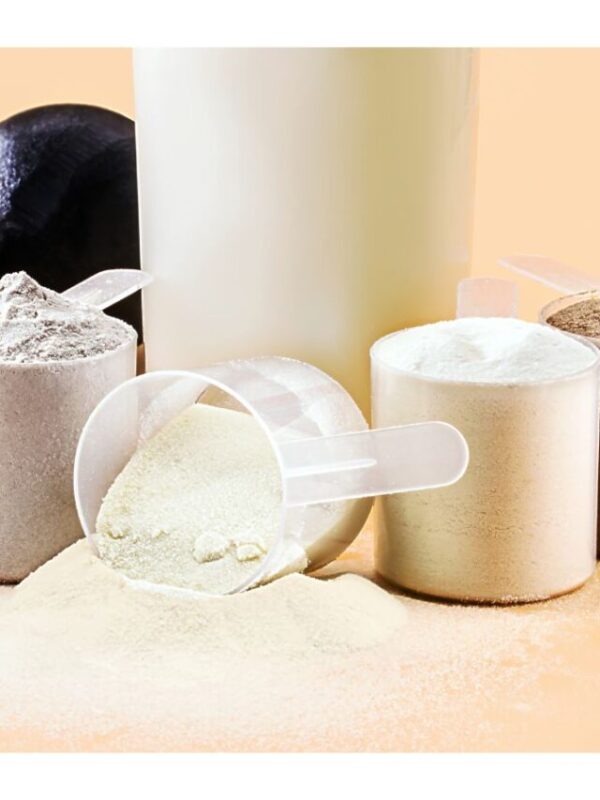
The protein proportion per bar is the first and most obvious item to look at. Even though the actual protein content is low, several brands utilize the term “protein bar” in their marketing.
What to search for:
For casual users, each bar should have at least 10–15g of protein; if you’re consuming it after working out, it should contain 15–25g. Ideally, 20–30% of total calories should come from protein.
Protein aids in:
- Repair and recuperation of muscles
- Prolonging your feeling of fullness
- Cutting back on pointless snacking
A bar is more of a snack than a functional protein source if it only has 5–7g of protein. Always measure protein by serving, not by 100g.
2) Sugar Content
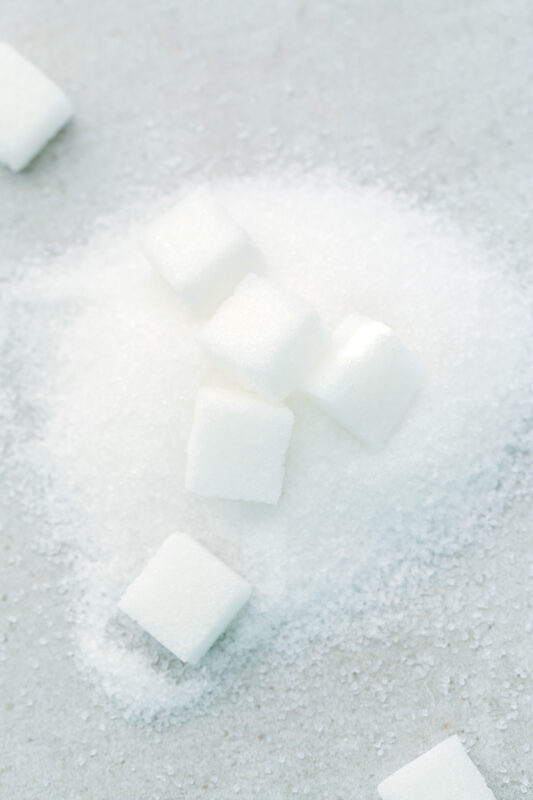
Most people are misled in this situation. Although labels like “zero added sugar” or “no sugar protein bars” sound fantastic, they don’t necessarily convey the whole picture. Look for total amount of sugar (should be less than 5 grams per bar), hidden sugars such as: maltitol, sorbitol, high fructose corn syrup (HFCS).
It is important as these alcohol sugars are used in some sugar-free bars, and they can:
- Cause gastrointestinal distress or bloating
- Calorie intake is still impacted.
Better substitutes would be dates, stevia & monk fruit. Selecting low-calorie, low-sugar protein bars is essential if you’re attempting to lose weight.
3) Ingredient List: The Shorter, The Better

Turn the bar over. Examine the list of ingredients. Put it back if it appears to be a chemistry experiment.
What’s in a decent bar:
- Plant protein and whey protein
- Nuts (cashews, peanuts, and almonds)
- Seeds (flax, chia)
- Natural binders (oats, dates)
Things not to add:
- Oils that have been hydrogenated
- Synthetic preservatives
- Overuse of additives
Better digestion and long-term health are the results of using cleaner ingredients in a protein bar. Think again before purchasing if you can’t pronounce the ingredients.
4) Type of Protein Used
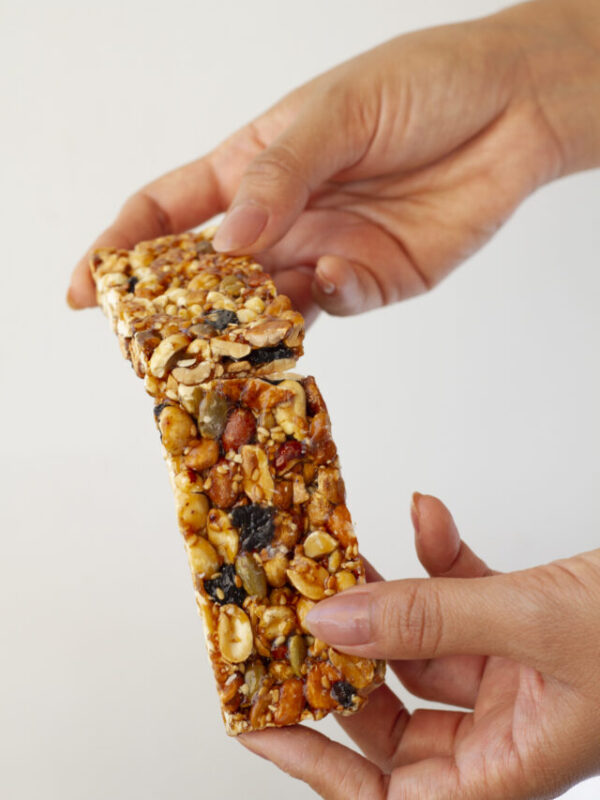
Not every source of protein is created equal. Typical varieties in India:
A. Bars with Whey Protein
- Quick absorption
- Perfect for recovery after a workout
- High biological value
B. Bars with Plant-Based Protein
- Composed of rice, soy, or pea protein
- Vegan-friendly
- Some people find it easier to digest
Which is superior?
- If you want to gain muscle, look for whey protein bars.
- If you have lactose intolerance or prefer vegan options, go for plant protein bars.
Always be sure it’s protein isolate rather than concentrate; as isolate has less fat and lactose.
5) Fiber Content
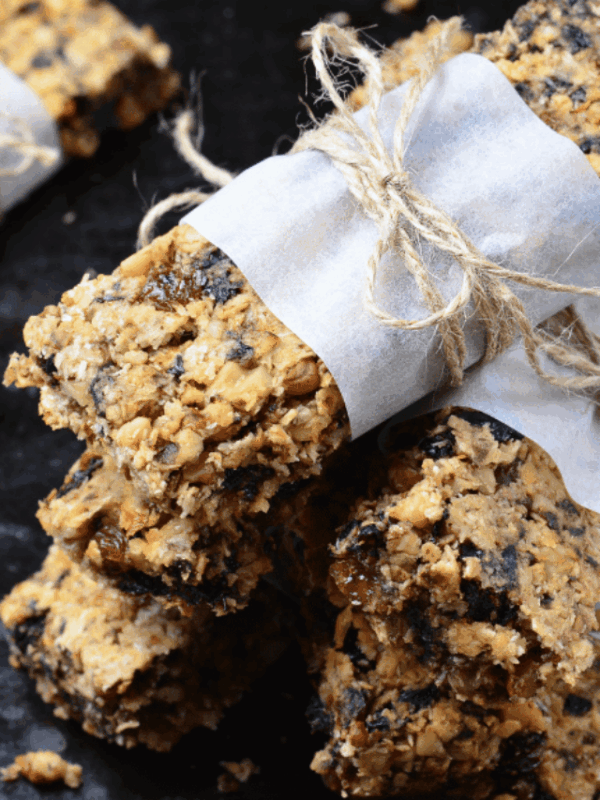
The majority of consumers primarily consider protein and sugar, yet fiber in the bars is just as crucial. What to search for: Each bar should contain at least 3–5 g of fiber.
Why is fiber important?
- Enhances digestion
- Prolongs your feeling of fullness
- Aids in blood sugar regulation
You may still feel hungry shortly after consuming a bar that is high in protein but devoid of fiber. Protein and fiber together will help increase satiety and reduce cravings.
6) Calorie Count
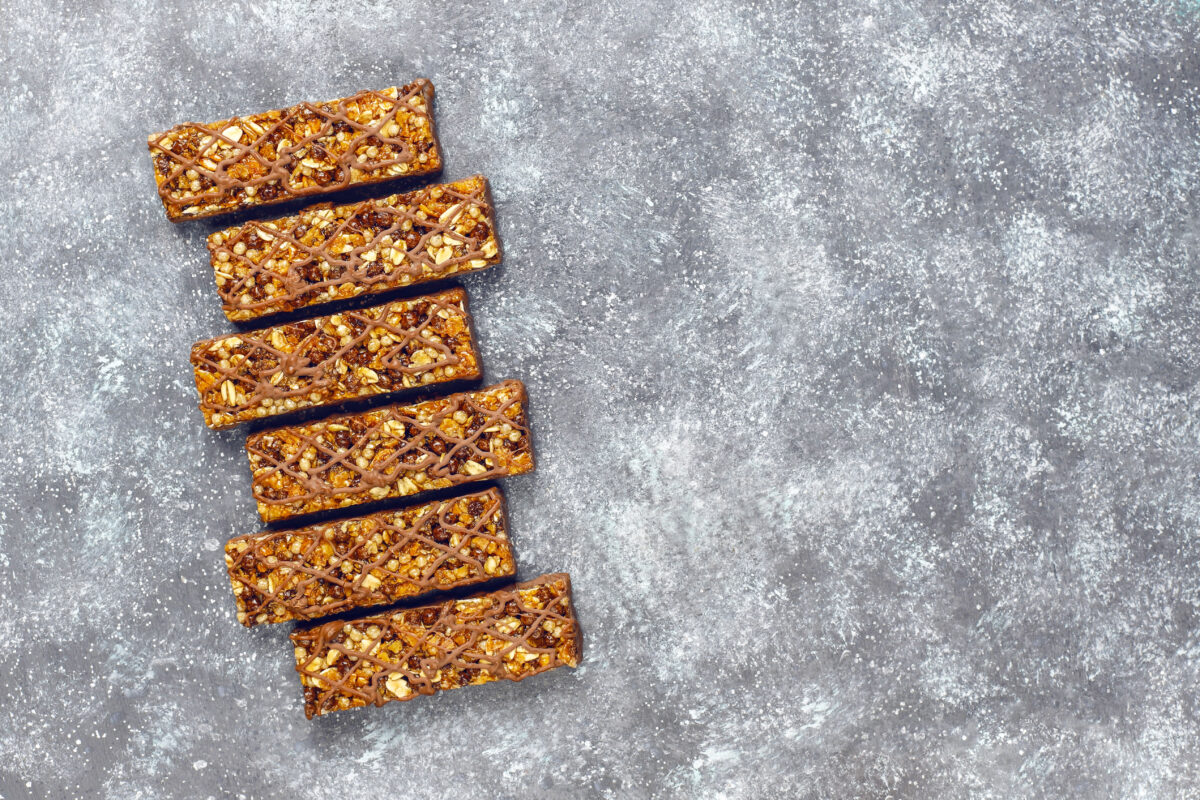
If you don’t focus on calories, even the best bars can ruin your plans.
The ideal range of calories
- 150–250 calories for a typical snack
- For meal replacement, up to 300 calories
As a lot of protein bars contain:
- Elevated fat levels
- Sweeteners added
- Calorie-dense
A “healthy snack” could become a calorie bomb as a result. Stick to low-calorie bars with balanced macros if losing weight is your main objective.
7) Purpose: Why Are You Eating a Protein Bar?

The most underappreciated question is this one.
Consider this:
- Is this a substitute for a meal?
- A snack after a workout?
- A fix for hunger in the middle of the day?
Make the appropriate choice:
- High protein, moderate carbohydrates for gym-goers
- Low sugar, low calorie, and high fiber for weight loss
For overall well-being: Clean substances combined with balanced macros. The healthiest bar isn’t “one-size-fits-all.” Depending on your objective, yes.
Are Protein Bars Healthy?
One of the most popular queries is this one: “Are protein bars good for you?”
The truthful response: They can be, but only if you make sensible decisions.
Benefits:
- Easy access to nutrition
- Aids in reaching daily protein requirements
- Aids in the healing of muscles
- Decreases unhealthy snacking
Drawbacks:
- Undiscovered sugars
- Components that have been processed
- High density of calories
Protein bars should be considered a complement rather than a substitute for entire foods.
Final Thoughts
There are several products on the Indian market that claim to be the best protein bars, but very few actually meet nutritional standards.
Rather than succumbing to advertising claims, concentrate on:
- Quality of proteins
- Fiber, Sugar content, and Ingredients
Because a protein bar should ultimately be effective at one thing: Don’t only indulge your cravings; take care of your health.
Frequently Asked Questions
Are protein bars healthy?
Yes, provided the ingredients are clean, low in sugar, and abundant in protein. If not, it might resemble a candy bar.
Can I have protein bars every day?
You can, but don’t depend solely on them. Your main source of nutrition should still be whole foods.
Which protein bar is the healthiest?
A protein bar with the following ingredients is the healthiest:
High protein content (15g+)
Minimal sugar
High-quality fiber
Very few additives
Do low-calorie protein bars help people lose weight?
Yes, if they also have enough fiber and protein to satisfy your hunger.
What range of calories is good for protein bars?
For most people, 150–250 calories is the perfect amount.