

Table of Contents
Protein supplement use is no longer limited to bodybuilders and professional athletes. Nowadays, a lot of people, including busy professionals, elderly folks, and those who have never worked out, take protein supplements on a daily basis. However, this rise is frequently accompanied by symptoms of gas, bloating, and stomach pain.
If you’ve ever felt uncomfortably full or heavy after a protein shake, you’re not alone. Digestive issues are a major reason why people completely stop using protein powders. It’s interesting to notice that the problem is often not the protein itself, but rather the kind of protein you’re eating.
At this point, the conversation turns to pea protein.
In recent years, pea protein powder has gained popularity not just as a vegan protein source but also as a healthy alternative for people who feel bloated after consuming whey or other dairy-based proteins. Let’s look at the factors that make this protein simpler to digest and contrast it with other popular protein powders.
Understanding Protein Powder Related Bloating: Why It Happens?
Before comparing protein sources, it’s important to understand why protein powders first cause bloating.
Bloating following protein consumption can be caused by several factors:
- Lactose intolerance
- Certain proteins are hard to break down.
- Artificial sweeteners and fillers
- Low intestinal enzyme activity
- Overindulgence in protein during a single session
Many commercial protein powders, especially whey-based ones, contain lactose, extra thickeners, gums, or sugar alcohols. Those with sensitive stomachs may experience gas, cramps, and that familiar “bloated” feeling as a result of these compounds fermenting in their stomachs.
What Is Pea Protein?

Pea protein is a plant-based protein powder made from yellow split peas. A natural extraction process removes the carbohydrates and fiber, leaving behind a highly concentrated protein source.
Unlike many animal-derived proteins, it is:
- Naturally lactose-free
- Dairy-free
- Gluten-free
- Soy-free
It is therefore suitable for people with digestive sensitivities as well as vegetarians.
Pea Protein Benefits That Support Better Digestion
One of the biggest benefits of pea protein is its ease of digestion. Let’s look at what makes it more appetising.
1. Naturally lactose-free
Lactose often causes bloating, even in people who are not aware that they have a minor intolerance. The residual lactose in whey protein, especially in whey concentrate, may cause discomfort. It helps reduce one of the most common causes of protein-related bloating because it is plant-based and lactose-free.
2. Moderate Rate of Digestion
Whey protein degrades quickly. This could be beneficial after working out, but rapid digestion can overtax sensitive digestive systems. Its moderate rate of digestion offers a balance between rapid absorption and ease of digestion. Gas production and stomach pressure are reduced by this slow breakdown.
3. Diminished Allergen Potential
Dairy, soy, and gluten are among the most common food allergies. It is a safer vegan protein option for people who are sensitive to particular foods because it stays away from all three. Inflammation and bloating are often lessened when intestinal irritation is decreased.
4. Minimal Gut Fermentation
When intestinal bacteria eat the fermentable carbohydrates found in some protein powders, gas is created. Because premium pea protein powders typically contain less of these fermentable ingredients, bloating is less likely to occur.
Pea Protein vs Whey Protein

Muscle building capability is a common topic of discussion when comparing pea and whey proteins. Digestion, however, merits equal consideration.
Whey Protein: Advantages and Drawbacks
Advantages:
- Full profile of amino acids
- Elevated leucine content
- Quick absorption
Drawbacks:
- Has lactose in it
- Can cause gas and bloating.
- Frequently contains artificial sweeteners
- Not suitable for vegans
For those with sensitive stomachs or impaired digestion, even whey isolate, which has less lactose, can be uncomfortable.
Pea Protein: Pros and Cons
Advantages:
- Easy to absorb
- Lactose and dairy-free
- Perfect for vegan and vegetarian diets
- Decreased likelihood of bloating
Drawbacks:
- The texture has some roughness
- Earthy taste
Pea protein usually wins out in terms of digestion, especially for people who have had whey protein bloating.
BloatingFrom Pea Protein: Can It Still Happen?

Although it is less harsh, any protein powder can cause bloating if misused. The good news is that these problems are typically easily resolved with improved usage habits. Some people may experience mild discomfort due to sudden increases in protein intake, consuming large servings, low water intake, or poor-quality formulations.
How to Avoid Bloating While Using Protein Powders
Digestion-friendly methods are crucial whether you’re utilizing any of the protein powders.
1. Begin with smaller portions: It takes time for your gut to adjust. Start with half a scoop and work your way up.
2. Examine the ingredients clearly: Steer clear of protein powders that contain artificial sweeteners, synthetic thickeners, binders, etc. Protein powders with clean labels are typically more palatable.
3. Drink plenty of water: Water is necessary for the digestion of protein. Dehydration can increase bloating and impede digestion.
4. Blend Wisely: The digestive burden can be decreased by substituting light plant milk or water for heavy dairy.
5. Distribute your protein consumption throughout the day: Break up your protein consumption into smaller meals rather than taking a lot at once.
These steps are especially helpful if you’re figuring out how to avoid bloating from whey protein or transitioning to plant-based options.
Vegan Protein Options Compared: Why Pea Protein Stands Out?
Although the market for plant-based proteins has grown quickly, not all vegan protein choices are as gut-friendly.
1) Soy Protein
- It is a complete protein
- But has typical allergens, soy being one of them
- It can cause bloating to some people.
2) Rice Protein
- Simple to digest
- Have reduced lysine concentration
- Frequently paired with pea protein, to make it a complete protein source
3) Hemp Protein
- Includes good fats
- Bloating may result from a higher fiber content
Pea protein is one of the best vegan protein options for daily use since it provides a high protein content with less digestive stress.
Is Pea Protein Effective for Muscle and Strength?
The idea that plant proteins are inferior is a prevalent misunderstanding. Actually, studies reveal that protein supports:
- Muscle recovery
- Strength Gain
- Lean mass upkeep
For the majority of fitness objectives, it works similarly to whey when taken regularly and in sufficient quantities, but without the digestive drawbacks.
Choosing the Best Pea Protein Powder
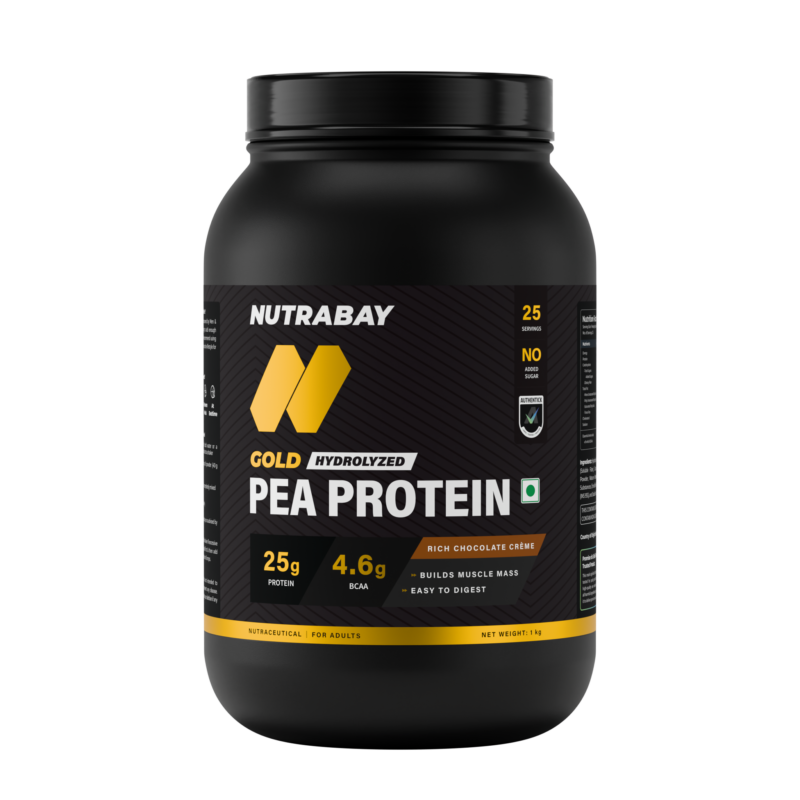
Not every product is made equally. Look for the following while choosing the best pea protein powder.
- High proportion of protein in each serve
- Minimal list of ingredients
- Testing by third parties
- Absence of artificial ingredients like
Flavour characteristics, quality sourcing, and availability are important to Indian customers. Nowadays, a lot of companies in India provide pea protein that is suited to regional tastes, just like NUTRABAY Gold Pea Protein.
Who Should Consider Switching to Pea Protein?
It is particularly beneficial for:
- People experiencing whey protein bloating
- Individuals with lactose intolerance
- Vegans and vegetarians
- Those with sensitive digestion
- Anyone seeking a cleaner protein source
If digestion has been your main concern, it is worth considering.
Final Thoughts
Nutrition is important, but so is digestive comfort. Whey protein is beneficial for many people, but not everyone can use it. A useful, efficient, and stomach-friendly substitute is pea protein powder, particularly for people with bloating or intolerance problems.
Pea protein can help achieve fitness objectives without endangering gut health if it is consumed mindfully, in moderation, and with clean ingredients. Sometimes the best protein is the one your body feels most comfortable using, not the fastest or the well-liked one.
Frequently Asked Questions
Is whey protein more difficult to digest than pea protein?
Yes, for a lot of people when compared to whey, pea protein is lactose-free and easier on the digestive system.
Can bloating be caused by pea protein?
Although it’s less likely, discomfort could still result from excessive consumption or subpar items.
Can I use pea protein every day?
Of course. It helps meet your protein requirements and muscle recovery and is appropriate for frequent consumption.
What is the recommended daily intake of pea protein?
Although it depends on your diet, exercise level, and body weight, distributing your intake over several meals aids in digestion.
Is pea protein appropriate for beginners?
Indeed, it is perfect for those who are new to taking protein supplements because of its moderate digestive profile.